Detection Engineering 101: What It Is, Why It Matters, and How to Break In
SOC analysts respond to alerts. Detection engineers build them. Here's what detection engineering actually is and how to get into one of blue team's fastest-growing roles.
EpicDetect Team
5 min read

Detection Engineering 101: What It Is, Why It Matters, and How to Break In
An alert fires in the SIEM. A SOC analyst opens it, investigates, and closes it.
But who wrote that alert? Who decided when to fire it and why?
That's detection engineering. And it's quietly one of the most in-demand roles on the entire blue team.
So What Is Detection Engineering, Actually?
Detection engineers build the rules, queries, and logic that generate security alerts.
If SOC analysts are the investigators, detection engineers are the people who built the surveillance system. They figure out what attacker behavior looks like in logs, then write queries to catch it—before it becomes an incident.
It's part security analyst, part developer, part threat researcher. (Yep, all three.)
What Do Detection Engineers Actually Do?
Day-to-day, detection engineers:
- Write detection rules using SIEM query languages like SPL (Splunk), KQL (Microsoft Sentinel), or EQL (Elastic)
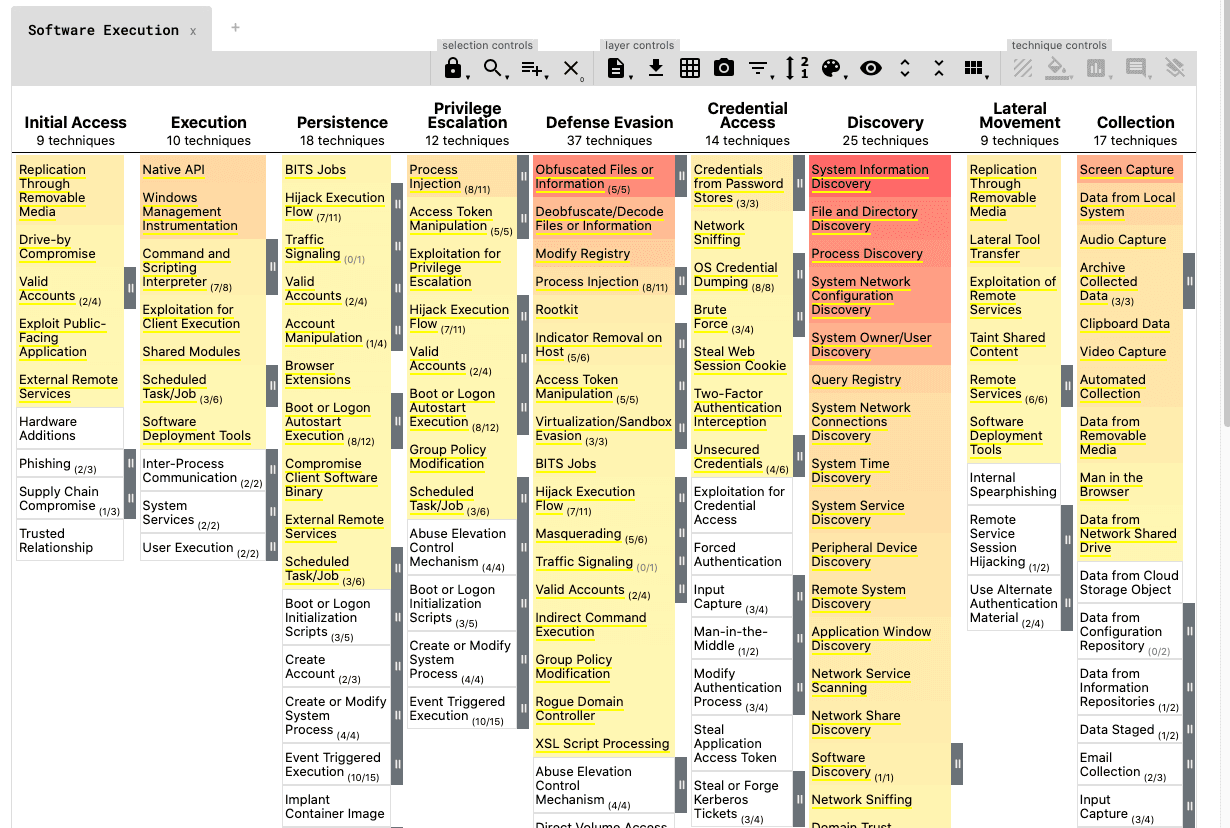
- Map detections to MITRE ATT&CK so teams can track what techniques they can—and can't—catch
- Tune out false positives so analysts aren't drowning in noise
- Test detections against real attack data to make sure they fire when they're supposed to
- Document coverage gaps and push to fill them
The goal isn't just "make more alerts." It's making better alerts—ones that fire on real threats and don't waste analyst time on junk.
How Is This Different From Being a SOC Analyst?
SOC analysts respond to detections. Detection engineers create them.
Both roles need to understand attacks and log analysis. But detection engineering goes deeper on the technical side—you need to understand why certain log events fire, how attackers evade basic rules, and how to write queries that hold up in production.
It's the difference between driving the car and building the engine.
What Skills Do You Actually Need?
SIEM query language is the core skill. You should be comfortable writing searches from scratch—not just running pre-built dashboards. The SPL cheat sheet for SOC analysts is a practical reference for the queries detection engineers reach for regularly.
Log analysis is the foundation. If you can't read a process creation event or a network connection log, you can't write good detections.
MITRE ATT&CK familiarity lets you write detections based on real attacker behavior, not just what "sounds bad." These are the ATT&CK techniques you'll encounter most often in SOC work—a solid place to anchor your detection coverage.
Some scripting helps a lot. Python or PowerShell for automating detection validation, parsing log data, or building testing pipelines.
You don't need a computer science degree. But you do need to be genuinely curious about how attacks work.
Is This Role Right for You?
Yes—if you:
- Like puzzles more than you like procedures
- Want to build things, not just respond to things
- Find yourself wondering "why did that alert fire?" instead of just closing it
- Enjoy digging through logs until something clicks
Maybe not yet—if you:
- Haven't built solid log analysis fundamentals yet
- Haven't worked through enough attack scenarios to know what "suspicious" actually looks like
Honestly, most detection engineers start in SOC and move into detection work as they level up. You don't need to jump straight in.
How Do You Actually Start?
Learn a SIEM query language. SPL if you can—Splunk is everywhere. KQL if you're in a Microsoft shop. Either way, learn to write searches from scratch, not just run saved ones.
Study attacks, not just defenses. You can't detect what you don't understand. Work through real attack scenarios (here's how to do that without a home lab), read incident reports, and use the ATT&CK framework as a reference.
Write detections, even terrible ones. Start simple. Write a query that catches obvious things, then refine it. The process of improving a bad detection teaches you more than studying theory ever will.
TL;DR – Detection Engineering Is Where SOC Meets Code
Detection engineers build the rules that catch attacks before SOC analysts ever see an alert. It's a growing, technical specialization that rewards people who are curious about how attacks work and want to build systems that stop them. Start with SIEM queries, learn ATT&CK, and write your first detections badly before you write them well. The SOC analyst salary data shows clearly why detection engineering is one of the highest-paid specializations on the blue team.
---
FAQs
Do I need a coding background to get into detection engineering?
Not necessarily, but scripting helps a lot. Focus on SIEM query languages first—they're approachable even without a dev background. Python comes next.
Is detection engineering the same as threat hunting?
Similar skills, different focus. Threat hunters proactively search for threats that didn't trigger an alert. Detection engineers build the alerts. Many people do both, and the skills overlap heavily.
What certs are useful for detection engineering?
CySA+ covers detection and analysis concepts. GCIA (GIAC) and Splunk certifications are well-regarded for technical depth. But hands-on experience writing detections matters more than any cert.
---
Sources & References:
- Detection Engineering Weekly
---
Final thought: The best detection engineers aren't the ones who know the most tools. They're the ones who think like attackers and defenders at the same time. That mindset is a skill—and it's completely learnable.
How EpicDetect Can Help
Want to practice writing detections hands-on? The EpicDetect Atlas has lessons and challenges on SIEM queries, detection engineering, and MITRE ATT&CK—all built around learning by doing, not just reading about it.
New here? Sign up and start learning for free. No credit card required.
Tags
Related Articles

Why Most SOC Training Fails You (And What Actually Prepares You for Day One)
Certs teach you what things are. They don't teach you how to think. Here's the gap between passing a test and working a real SOC alert—and how to close it.

BTL1 Certification: Is It Worth It? (Cost, Difficulty, Alternatives)
Honest BTL1 certification review for 2026 — cost, difficulty, who it's for, and how it compares to Security+, CySA+, and hands-on practice.

From Help Desk to SOC: The Real Path
Already in IT support? Here's how to actually make the jump to SOC analyst — what transfers, what doesn't, and the honest timeline.
The MITRE ATT&CK Techniques You'll Actually Encounter as a SOC Analyst
The ATT&CK matrix has 200+ techniques. Here are the five you'll see on repeat as a SOC analyst—and what to look for when you do.