What Does a Real SOC Investigation Actually Feel Like?
TV makes SOC work look like fast typing and dramatic countdowns. Here is what a real investigation actually feels like, step by step.
EpicDetect Team
10 min read

What Does a Real SOC Investigation Actually Feel Like?
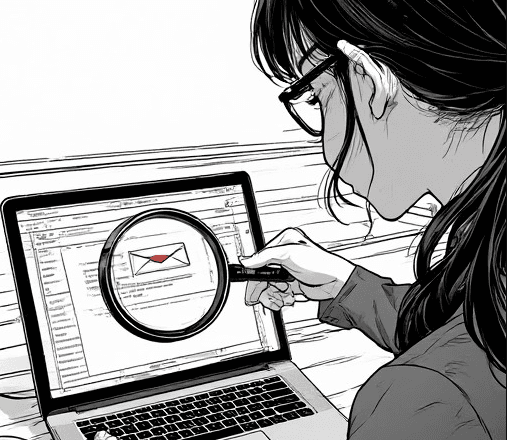
TV makes it look like typing fast and yelling "I'm in." Real SOC work is quieter, messier, and a lot more like detective work than hacking.
If you're trying to break into the field, that gap between the Hollywood version and the actual job matters. Let's walk through what really happens when an alert fires and someone has to figure out if it's a real problem.
The Alert Fires. Now What?
It usually starts small. A flagged login. A weird attachment. A user who clicked something they probably shouldn't have.
At this point you know almost nothing. Not "is this an attack," not "how bad is it" — just that something tripped a rule somewhere.
That's the first thing that surprises people: investigations don't start with clarity. They start with a single thread you have to decide is worth pulling.
The Part Nobody Warns You About: Everything Is Incomplete
You don't get a clean case file. You get fragments — a log here, an email header there, maybe a user who half-remembers what they clicked.
Your job is to fill in the gaps with evidence, not guesses. That means:
- Pulling logs from systems that don't always agree with each other
- Reading email headers to figure out if a sender is who they claim to be
- Checking whether an IP or domain shows up in threat intel feeds
- Building a timeline before you know what the timeline is even proving
Nobody hands you the answer. You build it, piece by piece, and you have to be honest with yourself about what the evidence actually shows versus what you're hoping it shows.
Is It Actually Stressful, or Is That Just TV?
Real talk — yes, sometimes. But not in the "countdown timer" way movies show it.
The stress is quieter. It's the moment you realize a "routine" phishing report might not be routine. It's deciding whether to escalate before you're 100% sure, because waiting for certainty can cost time you don't have.
Most days aren't like that. Most days are checking alerts that turn out to be nothing, which is honestly most of the job (and also why good detection engineering matters so much — bad rules just create more noise for someone to wade through).
What a Real Investigation Timeline Looks Like
Strip away the drama and it usually goes something like this:
- Triage — is this worth a closer look, or is it noise?
- Initial evidence gathering — logs, headers, endpoint data, whatever's relevant
- Correlation — connecting isolated data points into a story that actually holds up
- Escalation or containment — bringing in the right people, or acting fast if it's already confirmed
- Documentation — writing it up so the next person (or your future self) understands exactly what happened and why
That last step matters more than people expect going in. An investigation nobody can follow later basically didn't happen.
The Skills That Actually Matter Mid-Investigation
It's less about knowing every tool and more about a few habits:
- Asking "what would prove me wrong" instead of just looking for evidence that confirms your first guess
- Knowing which attack techniques tend to show up together, so you're not investigating in a vacuum
- Staying calm with incomplete information — because you almost never get the full picture upfront
- Explaining your reasoning clearly, since half your job is convincing someone else the escalation is justified
None of that shows up on a certification exam. It only shows up when you're actually in the middle of a case.
Okay, But What Does This Feel Like as a Beginner?
Honestly? A little overwhelming at first. You won't know which thread to pull, and you'll second-guess yourself constantly.
That's normal. It's also exactly why reading about investigations only gets you so far — you don't build investigative instinct from a textbook, you build it by doing the thing, badly, a few times.
How Adventures Simulates This (For Real)
This is the part most training skips entirely. Most courses teach you facts. They don't put you inside a case where the facts are scattered and you have to decide what matters.
Adventures is built around that gap. Season Zero drops you into your first week on a SOC team — Ed, Mara, Tess, and Eli are your team, and what starts as a "quiet week" turns into a single incident that escalates across five episodes.
Each episode follows the same rhythm real investigations do: a briefing, an investigation where you're working with real-shaped evidence, and a debrief where you find out what you got right (and what you missed). No slides. No multiple choice. Just a case that gets messier the deeper you go — phishing triage, log correlation, lateral movement, containment.
It's free, it takes about 2-3 hours across all five episodes, and there's nothing to install. If you've been reading about investigations and want to know what one actually feels like, that's the fastest way to find out.
TL;DR — Investigations Are Detective Work, Not Hollywood
Real SOC investigations start with almost no information and end with a documented, defensible conclusion. The work in between is evidence-gathering, correlation, and judgment calls under uncertainty — not fast typing and dramatic countdowns. You build the instinct for it by doing it, not by reading about it.
FAQs
Do I need experience to understand what an investigation feels like?
No. Story-driven practice like Adventures is built specifically for people with zero prior experience — you learn the rhythm of an investigation by working through one.
How is this different from studying for a certification?
Certifications test whether you know the concepts. Investigations test whether you can apply them when the evidence is messy and incomplete. You need both, but they build different muscles.
What's the first skill I should focus on if investigations feel overwhelming?
Start with triage — deciding what's worth investigating at all. It's the skill every later step depends on, and it's exactly where a first SOC role usually starts you off.
Final thought: The gap between "knowing the material" and "being able to investigate" is real, and it only closes with reps. Might as well get your first ones somewhere that doesn't require a job title first.
How EpicDetect Can Help
Want to feel what an actual investigation is like instead of just reading about it? Adventures puts you inside a story-driven SOC case where you make the calls a real analyst makes — triage, correlate, escalate, contain. Season 0 is completely free, no credit card required.
Want structured lessons to go with it? The EpicDetect Atlas has the skill tree to back up what you practice in Adventures.
New here? Sign up and start for free.
Tags
Related Articles

A Day in the Life of a SOC Analyst, Hour by Hour
What a real SOC analyst day looks like, hour by hour: the alert queue, investigations, documentation, shift work, and the parts nobody warns you about.

What Does a SOC Analyst Actually Do? An Hour-by-Hour Shift
Wondering what a SOC analyst actually does all day? Here's an honest hour-by-hour breakdown of a typical shift — triage, escalation, and everything in between.
What Are EpicDetect Adventures? (And Why They're Different From Every Other SOC Course)
Adventures are story-driven SOC training episodes where you actually work cases — not quizzes, not lectures. Here's how they work and why they prepare you for day one.

How to Get Hands-On SOC Experience (Without a Job or a Home Lab)
Every SOC job wants 'experience' but won't give you any. Here's how to actually get hands-on practice without a job, a home lab, or a CS degree.