Detecting Lateral Movement: A Beginner's Practice Guide
Lateral movement is how a single compromised laptop becomes a network-wide incident. Here's how to actually spot it, and how to practice detecting it.
EpicDetect Team
5 min read

Detecting Lateral Movement: A Beginner's Practice Guide
One compromised laptop is an incident. One compromised laptop that got an attacker onto three more machines is a crisis. The difference between those two outcomes is lateral movement — and catching it early.
What Lateral Movement Actually Looks Like
Once attackers land on a single host, they rarely stop there. They want to reach something more valuable — a file server, a domain controller, an admin's machine.
To get there, they typically reuse whatever they just stole: credentials, tokens, active sessions. That reuse is exactly what makes lateral movement detectable, if you know where to look.
This maps onto MITRE ATT&CK's Lateral Movement tactic (TA0008) — techniques like Pass-the-Hash, Remote Services abuse, and Internal Spearphishing all fall under it.
The Signal: Credentials Showing Up Somewhere They Shouldn't
The single most useful thing to watch: the same account, authenticating to a host it doesn't normally touch.
A finance analyst's account authenticating to a domain controller at 2 AM isn't proof of an attack by itself. But it's exactly the kind of anomaly that's worth pulling on.
Practical things to check:
- Authentication logs across hosts — is this account's login pattern suddenly touching new machines?
- Time-of-day anomalies — logins outside someone's normal working hours
- Service account misuse — service accounts logging in interactively is almost always worth investigating
- Admin tool usage from unexpected accounts — PsExec, WMI, or remote PowerShell sessions initiated by an account that's never used them before
A Beginner Mistake: Treating Each Host Like Its Own Case
The whole point of lateral movement is that it spans hosts. If you're only looking at one machine at a time, you'll never see the pattern — you need a timeline that spans multiple hosts, not five separate single-host investigations.
This is the part most beginner exercises skip entirely, because most practice datasets are scoped to a single machine. Real lateral movement detection requires correlating identity across the whole environment.
A Quick Mental Model: Follow the Identity, Not Just the IP
New analysts often fixate on IP addresses. Experienced ones fixate on identity — which account is doing the moving, and does its behavior match its normal role.
An IP can be spoofed or shared (NAT, proxies). A compromised credential moving between hosts is a much more reliable trail to follow, because the attacker generally needs it to get anywhere.
Why This Is Hard to Practice on Your Own
Lateral movement, almost by definition, requires a multi-host, multi-log-source dataset to practice against — which single-machine CTF-style exercises usually don't provide. Building that kind of environment yourself is a real engineering project, not a weekend lab.
Adventures Season 0's fourth episode, "Lateral," is built specifically around this — stolen credentials moving across the network, and you have to figure out where and how far they went, using logs from multiple hosts at once. More on how Adventures episodes are structured. Free, no setup.
If you want the broader hunting mindset behind this (not just lateral movement specifically), this breakdown of threat hunting is a good next read.
TL;DR – Follow the Credential, Not Just the Host
Lateral movement shows up as identity reuse across machines it doesn't normally touch. Practicing it requires a multi-host dataset — single-machine exercises can't teach this skill no matter how good they are otherwise.
FAQs
What's the fastest indicator that lateral movement might be happening?
An account authenticating to a host or resource it has no normal business reason to touch — especially combined with an unusual time of day.
Is lateral movement always about compromised credentials?
Mostly, yes — though attackers can also abuse trust relationships (like shared local admin passwords) or exploit vulnerabilities directly. Credential reuse is by far the most common path.
How is this different from privilege escalation?
Privilege escalation is gaining higher permissions on the same host. Lateral movement is moving to a different host. They often happen together but are conceptually distinct MITRE ATT&CK tactics.
Final thought: If you're only ever looking at one host at a time, you're structurally incapable of catching lateral movement — no amount of skill fixes a dataset that's too narrow.
How EpicDetect Can Help
Reading about this stuff only gets you so far. If you want to actually practice it — not multiple choice, not flashcards, an actual case — Adventures drops you into a story-driven SOC investigation where you make the calls a real analyst makes. Season 0 is completely free, no credit card required.
Want the fuller skill tree too? Head to the EpicDetect Atlas for structured lessons on top of the Adventures scenarios.
New here? Sign up and start for free.
Tags
Related Articles
Threat Intelligence Practice for Beginners: How to Pivot on a Single IOC
Free threat intelligence practice for beginners. Learn how to pivot from one IOC to infrastructure and campaign attribution like an analyst.
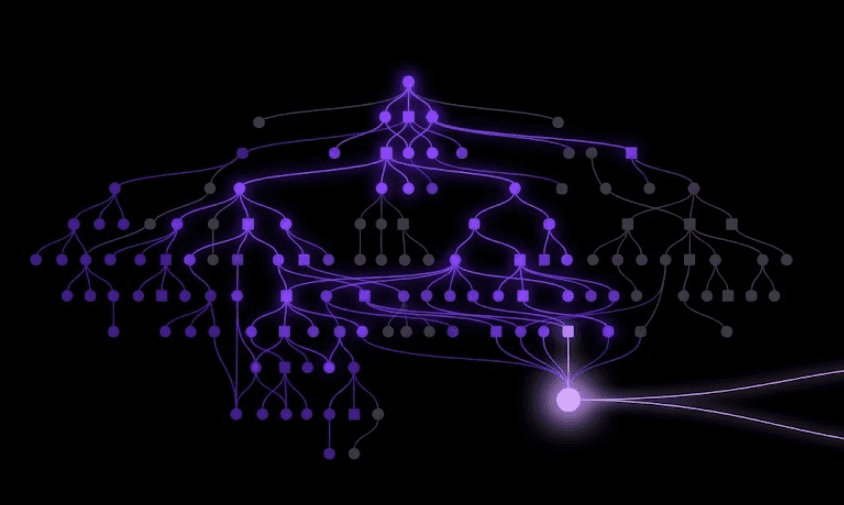
Endpoint Investigation Practice: How to Read a Process Tree Like an Analyst
Free endpoint investigation practice for beginners. Learn how to read a real process tree, spot persistence mechanisms, and think like an analyst.

How to Build an Attack Timeline (Practice Scenario Included)
Building an attack timeline is one of the most valuable SOC skills and one of the least taught. Here's how to actually do it, with a practice scenario to try.

SIEM Practice for Beginners: How Analysts Actually Correlate Logs
Querying a SIEM isn't the hard part — knowing what to correlate is. Here's how analysts actually think through log correlation, plus where to practice it.