What Is Threat Hunting? A Beginner's Guide to Proactive Security
Learn what threat hunting is, why it matters, and how to get started as a beginner. No fancy tools required—just curiosity and the right mindset.
EpicDetect Team
10 min read

What Is Threat Hunting? A Beginner's Guide to Proactive Security
You've probably heard the term "threat hunting" thrown around in job postings, LinkedIn posts, and security podcasts. It sounds cool. It sounds advanced. And if you're new to cybersecurity, it probably sounds like something you're not ready for yet.
Here's the thing—you might be closer than you think.
So What Actually Is Threat Hunting?
Threat hunting is the practice of proactively searching through your environment for threats that have evaded your existing security tools. Instead of waiting for an alert to fire, you go looking for trouble.
Think of it this way: traditional SOC work is like being a security guard who responds when the alarm goes off. Threat hunting is like being a detective who walks the building looking for things that seem off—even when no alarms are ringing.
The key word here is proactive. You're not reacting to an alert. You're asking questions like:
- "What if an attacker got in through phishing last week and we didn't notice?"
- "Are there any unusual patterns in our authentication logs?"
- "What would it look like if someone was exfiltrating data slowly?"
Then you go dig through the data to find out.
But Why Hunt if We Have Detection Tools?
Great question. Here's the reality: no detection tool catches everything.
Attackers constantly evolve their techniques. They use legitimate tools (hello, PowerShell). They move slowly to avoid triggering alerts. They exploit the gap between "technically allowed" and "actually normal."
Your SIEM, your EDR, your firewall—they're all great. But they're only as good as their rules and signatures. Threat hunting fills the gaps by looking for behaviors and patterns that might not trigger any rules at all.
Real talk: Some of the biggest breaches in history went undetected for months because the attackers stayed below the radar of automated detection. Threat hunting is how organizations fight back against that reality.
The Threat Hunting Loop
Threat hunting isn't just randomly clicking through logs hoping to find something bad. There's actually a methodology to it.
Most hunters follow some version of this loop:
1. Hypothesis – Start with an idea. "What if an attacker used stolen credentials to access our VPN from an unusual location?"
2. Investigation – Dig into the data. Look at VPN logs, authentication events, geo-location data. Search for patterns that match your hypothesis.
3. Discovery – Either you find something suspicious (time to escalate!) or you don't (which is still valuable—you've validated that this attack vector isn't active).
4. Documentation – Write down what you searched for, how you searched, and what you found. This becomes the foundation for future hunts and potentially new detection rules.
Then you start again with a new hypothesis. It's a continuous cycle.
What Kinds of Hunts Can You Do?
Not all threat hunts look the same. Here are the main types:
Hypothesis-Driven Hunts – You start with a theory based on threat intelligence, recent breaches, or known attacker techniques. "APT29 has been targeting organizations like ours using this technique—let's look for it."
IOC-Driven Hunts – You have specific indicators of compromise (hashes, IPs, domains) and you search for them in your environment. Straightforward but effective.
Baseline Deviation Hunts – You look for things that are different from normal. Unusual login times, weird process behaviors, unexpected network connections. This requires knowing what "normal" looks like first.
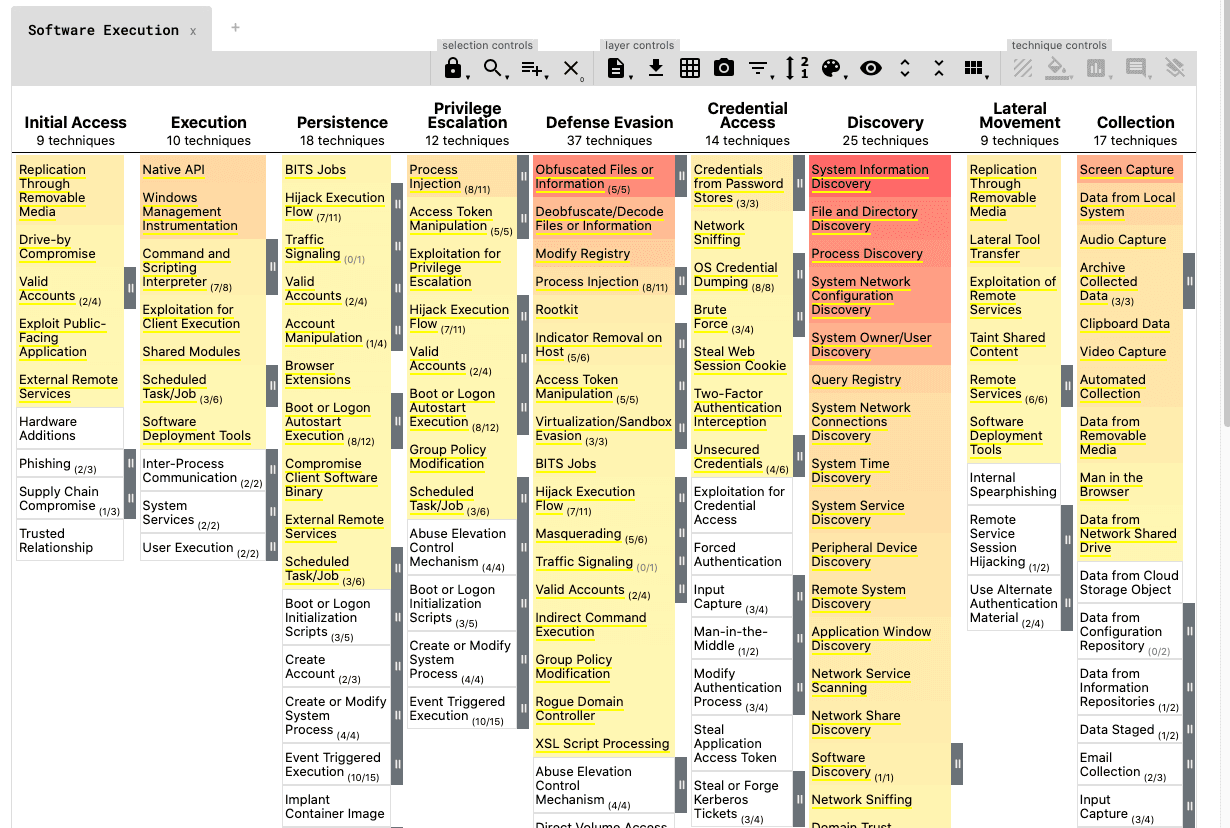
MITRE ATT&CK-Based Hunts – You pick a technique from the ATT&CK framework and hunt for evidence of it. "Let's see if anyone is using T1059 (Command and Scripting Interpreter) in suspicious ways."
As a beginner, IOC-driven and ATT&CK-based hunts are great places to start because they give you structure.
What Skills Do You Actually Need?
Here's where we gotta be honest. Threat hunting isn't entry-level in the sense that you can do it on day one with zero experience. But it's also not some mystical advanced skill reserved for elite hackers.
You need:
- Log analysis basics – Can you read and interpret security logs? Authentication logs, process logs, network logs? If not, start here to build that foundation first.
- A SIEM or log tool – You need access to data and a way to query it. Splunk, Elastic, whatever. For Splunk users, these 15 SPL queries are the patterns you'll use most in threat hunting.
- Understanding of attacks – What do common attacks actually look like? This is where frameworks like MITRE ATT&CK help a ton — here's a plain-English breakdown of TTPs and how ATT&CK is actually used.
- Curiosity – Seriously. The best threat hunters are naturally curious and don't take "that's normal" at face value.
You don't need to be a reverse engineer. You don't need to write custom malware. You just need to understand how attacks work and how to look for evidence of them in data.
How Do You Get Started?
Okay, so you want to try threat hunting. Here's a practical path:
1. Learn the fundamentals – Get comfortable with log analysis, SIEM basics, and the MITRE ATT&CK framework. Understand what different log sources tell you.
2. Start with guided hunts – Don't try to come up with original hypotheses right away. Follow existing hunt playbooks or work through scenarios designed for practice.
3. Build your toolkit – Create a collection of queries, scripts, and techniques you can reuse. Every hunt teaches you something new.
4. Document everything – Even unsuccessful hunts are valuable. Write down what you searched for, what you found, and what you learned.
5. Stay current – Follow threat intelligence reports. When a new attack technique emerges, ask yourself: "How would I hunt for this in my environment?"
The most important thing? Just start. Your first hunts won't be perfect. That's fine. You'll get better with practice.
TL;DR – The Quick Version
Threat hunting is proactively searching for threats that your automated tools missed. It's not magic—it's a methodical process of forming hypotheses, investigating data, and documenting findings. You don't need to be an expert to start, but you do need log analysis skills, understanding of attack techniques, and genuine curiosity. Start with structured hunts using MITRE ATT&CK or known IOCs, and build from there.
FAQs
Do I need expensive tools to start threat hunting?
Nope. If you have access to a SIEM or any log aggregation tool, you can hunt. Many organizations start with what they already have. The methodology matters more than the tooling.
Is threat hunting the same as penetration testing?
Not at all. Pen testing simulates attacks to find vulnerabilities. Threat hunting assumes an attacker may already be inside and looks for evidence of compromise. Different goals, different skills.
How long does a threat hunt take?
It depends. A quick IOC search might take an hour. A deep hypothesis-driven hunt could take days. Most organizations run hunts as time allows alongside other SOC duties.
Can I practice threat hunting without a real environment?
Yes! There are practice datasets like BOTS (Boss of the SOC) and various CTF challenges designed for threat hunting practice. You can also build your own home lab.
Final thought: Threat hunting isn't about being the smartest person in the room. It's about asking the right questions and being willing to dig for answers. If you've got curiosity and basic security skills, you're already on your way.
How EpicDetect Can Help
Want to build the skills you need for threat hunting? EpicDetect's Atlas offers structured learning paths covering log analysis, SIEM fundamentals, MITRE ATT&CK, and more. Work through interactive lessons at your own pace and build the foundation for proactive security work.
Ready to level up? Start your free trial and see what EpicDetect can do for your security career.
Tags
Related Articles
The MITRE ATT&CK Techniques You'll Actually Encounter as a SOC Analyst
The ATT&CK matrix has 200+ techniques. Here are the five you'll see on repeat as a SOC analyst—and what to look for when you do.

What is Blue Team? Complete Guide to Defensive Security (2026)
Learn what blue team cybersecurity is, how it differs from red team, essential skills, tools, and how to get started in defensive security.

Why Most SOC Training Fails You (And What Actually Prepares You for Day One)
Certs teach you what things are. They don't teach you how to think. Here's the gap between passing a test and working a real SOC alert—and how to close it.

Reading Logs Like an Analyst: What to Look For
A quick guide to reading Windows Event Logs like a security analyst. Learn which logs matter and what to look for.