What is Blue Team? Complete Guide to Defensive Security (2026)
Learn what blue team cybersecurity is, how it differs from red team, essential skills, tools, and how to get started in defensive security.
EpicDetect Team
12 min read

What is Blue Team? Complete Guide to Defensive Security (2026)
You've heard the term "blue team" thrown around in cybersecurity circles. Maybe you've seen job postings for "Blue Team Analyst" or "Blue Team Engineer." But what exactly is blue team, and how does it differ from red team or purple team?
If you're exploring cybersecurity careers or trying to understand the security landscape, this guide will explain everything you need to know about blue team—from what they do to how to join one.
What is Blue Team?
Blue team refers to the defensive side of cybersecurity. Blue team professionals protect organizations by monitoring systems, detecting threats, responding to incidents, and hardening defenses.
Think of it like this:
- Red team = Attackers (simulating attacks to find vulnerabilities)
- Blue team = Defenders (protecting systems from attacks)
- Purple team = Collaboration between red and blue teams
Blue team is the "defense" in cybersecurity. They're the security professionals who:
- Monitor networks and systems 24/7
- Detect and investigate security threats
- Respond to security incidents
- Build and maintain security controls
- Analyze logs and security events
- Hunt for threats proactively
The Origin of "Blue Team"
The term "blue team" comes from military exercises where teams are color-coded:
- Red team: The attacking force (simulating enemies)
- Blue team: The defending force (protecting assets)
In cybersecurity, this military terminology was adopted to describe offensive (red) and defensive (blue) security roles.
Blue Team vs Red Team: Key Differences
Understanding the difference between blue team and red team is crucial for choosing your cybersecurity path.
Blue Team (Defensive Security)
Focus: Protect and defend
Activities:
- Monitor security systems
- Detect intrusions and threats
- Respond to security incidents
- Analyze logs and events
- Implement security controls
- Threat hunting
- Vulnerability management
Mindset: "How do we prevent and detect attacks?"
Example Roles:
- SOC Analyst — see what SOC analysts earn at each tier in 2026
- Security Operations Analyst
- Incident Responder
- Threat Hunter
- Detection Engineer
- Security Engineer
Red Team (Offensive Security)
Focus: Attack and find vulnerabilities
Activities:
- Penetration testing
- Vulnerability assessments
- Social engineering
- Exploit development
- Security assessments
- Red team exercises
Mindset: "How can we break in and find weaknesses?"
Example Roles:
- Penetration Tester
- Ethical Hacker
- Red Team Operator
- Security Consultant
- Vulnerability Researcher
Key Differences Summary
| Aspect | Blue Team | Red Team |
|--------|-----------|----------|
| Goal | Defend systems | Find vulnerabilities |
| Approach | Reactive and proactive defense | Active exploitation |
| Tools | SIEMs, firewalls, IDS/IPS | Exploitation frameworks, scanners |
| Skills | Log analysis, incident response | Exploitation, coding |
| Mindset | "How do we stop attacks?" | "How do we break in?" |
Which Should You Choose?
Choose Blue Team if you:
- Enjoy problem-solving and investigation
- Want to protect organizations
- Like analyzing data and logs
- Prefer defensive security
- Want to work in a SOC (Security Operations Center)
Choose Red Team if you:
- Enjoy breaking things and finding vulnerabilities
- Want to think like an attacker
- Like coding and exploitation
- Prefer offensive security
- Want to do penetration testing
Many professionals do both: Starting in blue team and moving to red team (or vice versa) is common. The skills complement each other.
What Does Blue Team Do?
Blue team professionals perform a wide range of defensive security activities. Here's what a typical blue team does:
1. Security Monitoring
24/7 surveillance of networks, systems, and applications.
Activities:
- Monitor SIEM (Security Information and Event Management) platforms
- Watch for suspicious activity and anomalies
- Review security alerts and events
- Track security metrics and KPIs
Tools: Splunk, Elastic (ELK Stack), QRadar, Sentinel
Example: A SOC analyst notices unusual network traffic from a user's account at 3 AM. They investigate and discover a compromised account.
2. Threat Detection
Identifying security threats before they cause damage.
Activities:
- Analyze logs and events for indicators of compromise (IOCs)
- Use threat intelligence to identify known attack patterns
- Create detection rules and signatures
- Monitor for advanced persistent threats (APTs)
Tools: SIEMs, threat intelligence platforms, detection rules (Sigma, YARA)
Example: A detection engineer creates a rule to detect PowerShell being used to download files from suspicious domains—a common malware technique. Detection engineering 101 is a great next read if this role interests you.
3. Incident Response
Responding to security incidents quickly and effectively.
Activities:
- Contain security incidents
- Investigate root causes
- Eradicate threats
- Restore systems
- Document lessons learned
Tools: Forensic tools, EDR (Endpoint Detection and Response), network analysis tools
Example: A ransomware attack is detected. The blue team isolates affected systems, prevents lateral movement, and restores from backups.
4. Threat Hunting
Proactively searching for threats that haven't triggered alerts.
Activities:
- Hypothesis-driven investigations
- Searching for attack patterns
- Analyzing anomalies
- Using threat intelligence
Tools: SIEMs, threat intelligence, custom queries, EDR platforms
Example: A threat hunter suspects an attacker is using living-off-the-land techniques. They search for suspicious PowerShell and WMI usage patterns.
5. Vulnerability Management
Identifying and remediating security vulnerabilities.
Activities:
- Scanning systems for vulnerabilities
- Prioritizing vulnerabilities by risk
- Coordinating patching and remediation
- Tracking remediation progress
Tools: Vulnerability scanners (Nessus, OpenVAS), patch management systems
Example: A vulnerability scan finds a critical remote code execution flaw. The blue team prioritizes it and coordinates patching within 24 hours.
6. Security Control Implementation
Building and maintaining security controls.
Activities:
- Configuring firewalls and security policies
- Implementing access controls
- Deploying security tools
- Hardening systems
Tools: Firewalls, identity and access management (IAM), security configuration management
Example: A blue team engineer implements multi-factor authentication (MFA) for all remote access, significantly reducing account compromise risk.
7. Log Analysis and Forensics
Analyzing logs and evidence to understand security events.
Activities:
- Parsing and analyzing log files
- Correlating events across systems
- Performing digital forensics
- Creating timelines of events
Tools: SIEMs, log analysis tools, forensic frameworks
Example: After a data breach, a blue team analyst reviews authentication logs, network traffic, and file access logs to determine what data was exfiltrated.
Blue Team Roles and Responsibilities
Blue team isn't a single role—it's a collection of defensive security positions. Here are the main blue team roles:
SOC Analyst (Security Operations Center Analyst)
What they do: Monitor security systems, analyze alerts, and respond to incidents.
Responsibilities:
- Monitor SIEM platforms 24/7
- Investigate security alerts
- Escalate incidents to senior analysts
- Document security events
Skills needed: SIEM knowledge, log analysis, incident response basics
Entry-level: Yes—this is often the first blue team role
Threat Hunter
What they do: Proactively search for advanced threats that evade automated detection.
Responsibilities:
- Develop threat hunting hypotheses
- Search for attack patterns
- Analyze anomalies
- Create detection rules
Skills needed: Advanced SIEM skills, threat intelligence, attack techniques (MITRE ATT&CK)
Entry-level: No—typically requires 2-3 years of SOC experience
Detection Engineer
What they do: Build and maintain detection rules and security detections.
Responsibilities:
- Write detection rules (Sigma, YARA, Splunk)
- Test and tune detections
- Reduce false positives
- Improve detection coverage
Skills needed: SIEM expertise, detection rule writing, attack knowledge
Entry-level: No—typically requires SOC analyst experience
Incident Responder
What they do: Respond to security incidents, contain threats, and restore systems.
Responsibilities:
- Contain security incidents
- Investigate root causes
- Coordinate response efforts
- Document incidents
Skills needed: Incident response, forensics, threat containment
Entry-level: No—typically requires SOC analyst experience
Security Engineer
What they do: Build and maintain security infrastructure and controls.
Responsibilities:
- Implement security tools
- Configure security controls
- Hardening systems
- Security architecture
Skills needed: System administration, security tools, scripting
Entry-level: Sometimes—depends on the organization
Essential Blue Team Skills
To succeed in blue team, you need a mix of technical skills, security knowledge, and soft skills.
Technical Skills
#### 1. SIEM (Security Information and Event Management)
Why it matters: Blue team professionals spend most of their time in SIEM platforms.
What to learn:
- How to search and filter logs
- Creating queries and searches
- Analyzing events and correlating data
- Common platforms: Splunk, Elastic (ELK Stack), QRadar
How to learn: Free Splunk training, Elastic Security courses, hands-on labs
#### 2. Log Analysis
Why it matters: Logs are your primary source of information for detecting threats.
What to learn:
- Common log formats (Syslog, Windows Event Log, JSON)
- How to parse and search logs
- What normal vs suspicious activity looks like
- Log correlation
How to learn: Practice with sample logs, set up a SIEM lab, analyze real-world examples
#### 3. Network Security
Why it matters: Most attacks happen over networks.
What to learn:
- TCP/IP protocols
- Network traffic analysis
- Firewall rules
- DNS and DHCP
How to learn: Network+ certification materials, Wireshark practice, network labs
#### 4. Operating Systems
Why it matters: You need to understand Windows, Linux, and macOS to detect attacks.
What to learn:
- Windows: Event logs, PowerShell, registry
- Linux: Command line, log files, system processes
- macOS: System logs, file system
How to learn: Install virtual machines, practice with command-line tools, review security logs
#### 5. Threat Intelligence
Why it matters: Understanding current threats helps you detect attacks faster.
What to learn:
- MITRE ATT&CK framework
- Common attack techniques — these are the MITRE ATT&CK techniques SOC analysts encounter most often
- Threat actor groups
- Indicators of compromise (IOCs)
How to learn: Study MITRE ATT&CK, follow security news, practice threat hunting
Security Knowledge
#### 1. Attack Techniques
- Phishing and social engineering
- Malware (viruses, trojans, ransomware)
- Network attacks (DDoS, port scanning)
- Web application attacks (SQL injection, XSS)
- Advanced persistent threats (APTs)
#### 2. Incident Response
- Incident response lifecycle
- Containment and remediation
- Evidence collection
- Post-incident analysis
#### 3. Security Frameworks
- MITRE ATT&CK (attack techniques)
- NIST Cybersecurity Framework
- CIS Controls
- OWASP Top 10
Soft Skills
#### 1. Analytical Thinking
Blue team professionals analyze large amounts of data to identify threats. You need strong analytical skills.
#### 2. Communication
You'll explain technical findings to non-technical stakeholders, write incident reports, and collaborate with team members.
#### 3. Attention to Detail
Missing a single log entry could mean missing a critical threat. Blue team requires meticulous attention to detail.
#### 4. Stress Management
Security incidents are high-pressure situations. You need to stay calm and make good decisions under pressure.
#### 5. Continuous Learning
The threat landscape changes constantly. Blue team professionals must stay current with new attacks and techniques.
Blue Team Tools
Blue team professionals use a variety of tools to monitor, detect, and respond to threats.
SIEM Platforms
Purpose: Centralized log collection, analysis, and alerting
Popular Tools:
- Splunk: Industry leader, powerful search capabilities
- Elastic (ELK Stack): Open-source, flexible, widely used
- QRadar: IBM's SIEM platform
- Sentinel: Microsoft's cloud SIEM
- Wazuh: Free, open-source SIEM
Endpoint Detection and Response (EDR)
Purpose: Monitor endpoints (computers, servers) for threats
Popular Tools:
- CrowdStrike Falcon: Cloud-based EDR
- Microsoft Defender: Built into Windows
- SentinelOne: AI-powered EDR
- Carbon Black: VMware's EDR platform
Network Security Tools
Purpose: Monitor and protect network traffic
Popular Tools:
- Firewalls: Palo Alto, Fortinet, Cisco
- IDS/IPS: Snort, Suricata
- Network analyzers: Wireshark, tcpdump
Threat Intelligence Platforms
Purpose: Provide information about current threats and IOCs
Popular Tools:
- MISP: Open-source threat intelligence platform
- ThreatConnect: Commercial threat intelligence
- VirusTotal: Free threat intelligence
Detection Rule Platforms
Purpose: Create and share detection rules
Popular Tools:
- Sigma: Generic detection rule format
- YARA: Malware detection rules
- Splunk Detection Rules: Splunk-specific detections
How to Get Started in Blue Team
Ready to start your blue team journey? Here's a practical roadmap:
Step 1: Learn the Fundamentals (Months 1-3)
Focus: IT and security basics
What to learn:
- Networking fundamentals (TCP/IP, ports, protocols)
- Operating systems (Windows, Linux basics)
- Security fundamentals (threats, vulnerabilities, controls)
- Command-line basics (PowerShell, Bash)
Free resources:
- CompTIA Security+ study materials
- Professor Messer (free Security+ training)
- TryHackMe (free tier)
Step 2: Master SIEM and Log Analysis (Months 4-6)
Focus: Core blue team skills
What to learn:
- SIEM fundamentals (Splunk or Elastic)
- Log analysis and searching
- Creating queries and searches
- Understanding security events
Free resources:
- Splunk Fundamentals 1 (free course)
- Elastic Security (free training)
- Wazuh (free SIEM lab)
Step 3: Build Hands-On Experience (Months 7-9)
Focus: Practical experience
What to do:
- Set up a home lab (SIEM, virtual machines)
- Practice with sample logs
- Create detection rules
- Participate in CTF competitions
Free resources:
- Home lab setup guides
- Sample log files
- TryHackMe blue team rooms
Step 4: Get Certified (Months 10-12)
Focus: Validate your knowledge
Recommended certifications:
- CompTIA Security+: Entry-level security certification
- CompTIA CySA+: Cybersecurity analyst certification (perfect for blue team)
- GIAC Security Operations (GSEC): Advanced (optional, expensive)
Step 5: Apply for Entry-Level Roles
Focus: Land your first blue team job
Target roles:
- SOC Analyst (Tier 1)
- Security Operations Analyst
- Security Monitoring Analyst
Where to apply:
- Managed Security Service Providers (MSSPs)
- Smaller companies
- Contract roles
Blue Team Career Path
Blue team offers a clear career progression:
Entry-Level (0-2 years)
Roles: SOC Analyst (Tier 1), Security Operations Analyst
Responsibilities: Monitor alerts, escalate incidents, basic log analysis
Salary: $55,000-$75,000
Mid-Level (2-5 years)
Roles: SOC Analyst (Tier 2), Threat Hunter, Detection Engineer
Responsibilities: Investigate incidents, create detections, threat hunting
Salary: $75,000-$100,000
Senior-Level (5+ years)
Roles: Senior SOC Analyst, SOC Manager, Security Architect
Responsibilities: Lead investigations, mentor junior analysts, design security controls
Salary: $100,000-$150,000+
Blue Team vs Other Security Teams
Blue Team vs Red Team
- Blue team: Defends systems
- Red team: Attacks systems to find vulnerabilities
- Relationship: Adversarial but collaborative
Blue Team vs Purple Team
- Blue team: Defensive security
- Purple team: Collaboration between red and blue teams
- Purpose: Improve both offensive and defensive capabilities
Blue Team vs Security Engineering
- Blue team: Operations-focused (monitoring, detection, response)
- Security engineering: Build-focused (implementing security controls)
- Relationship: Blue team uses what security engineers build
Common Blue Team Challenges
Alert Fatigue
Problem: Too many alerts, most are false positives
Solution: Tune detections, reduce false positives, prioritize alerts
Skill Gaps
Problem: Rapidly evolving threat landscape requires constant learning
Solution: Continuous training, certifications, hands-on practice
Burnout
Problem: 24/7 operations, high-pressure incidents
Solution: Work-life balance, stress management, team support
Tool Overload
Problem: Too many security tools, difficult to manage
Solution: Consolidate tools, integrate platforms, automate workflows
Conclusion
Blue team is the defensive side of cybersecurity—the professionals who protect organizations from threats. It's a rewarding career path with:
- High demand: Cybersecurity needs more blue team professionals
- Good salaries: $55,000-$150,000+ depending on experience
- Clear progression: From SOC analyst to security architect
- Hands-on work: Real-world security operations
Getting started requires learning SIEM, log analysis, and security fundamentals. With consistent learning and hands-on practice, you can land your first blue team role in 12-18 months.
Ready to start your blue team journey? Focus on mastering SIEM platforms, building hands-on experience, and getting certified. The demand for blue team professionals is only growing.
Want to learn blue team skills? Check out our free blue team training resources and hands-on labs to get started today.
Tags
Related Articles

What Is Threat Hunting? A Beginner's Guide to Proactive Security
Learn what threat hunting is, why it matters, and how to get started as a beginner. No fancy tools required—just curiosity and the right mindset.

Why Most SOC Training Fails You (And What Actually Prepares You for Day One)
Certs teach you what things are. They don't teach you how to think. Here's the gap between passing a test and working a real SOC alert—and how to close it.

How to Become a SOC Analyst: Complete Step-by-Step Guide (2026)
Learn how to become a SOC analyst with this comprehensive guide covering skills, training, certifications, and career path. Includes free resources and hands-on labs.
The MITRE ATT&CK Techniques You'll Actually Encounter as a SOC Analyst
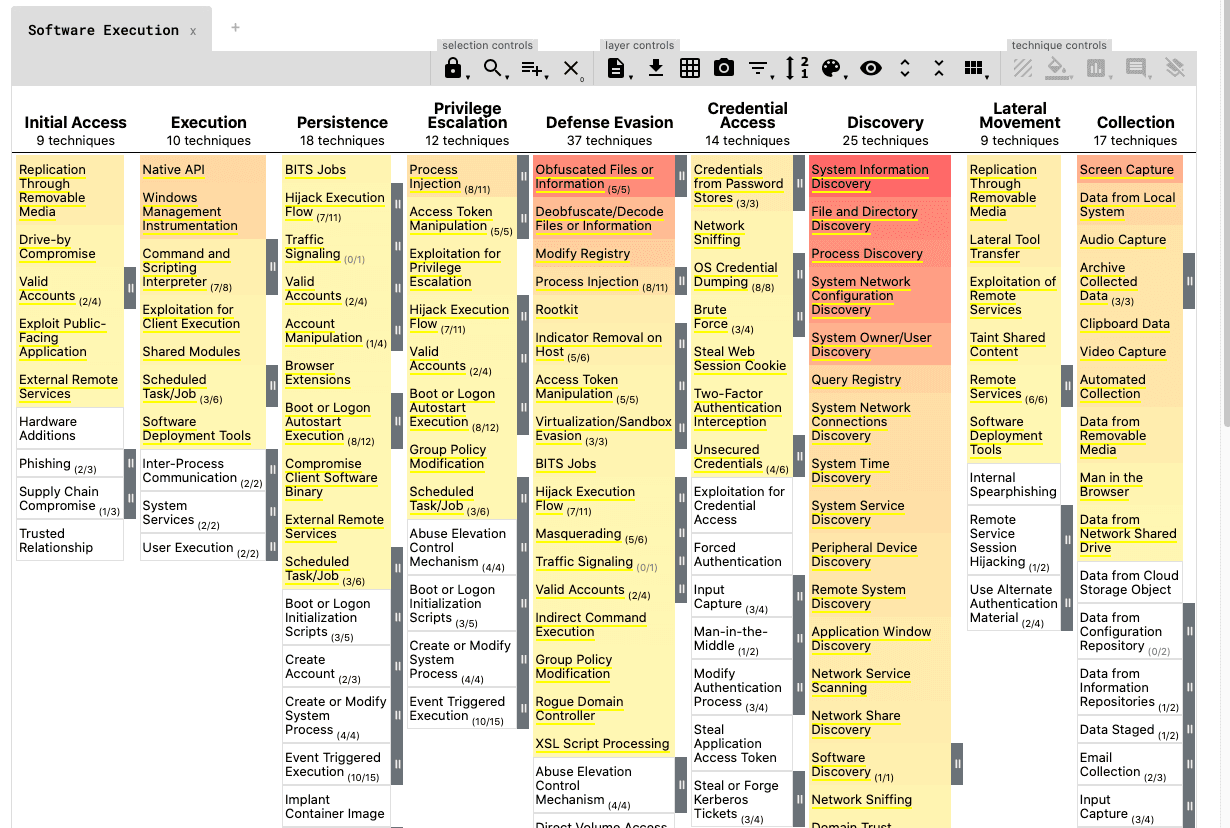
The ATT&CK matrix has 200+ techniques. Here are the five you'll see on repeat as a SOC analyst—and what to look for when you do.